Kitchen Wall Demolition in Bergen County, NJ
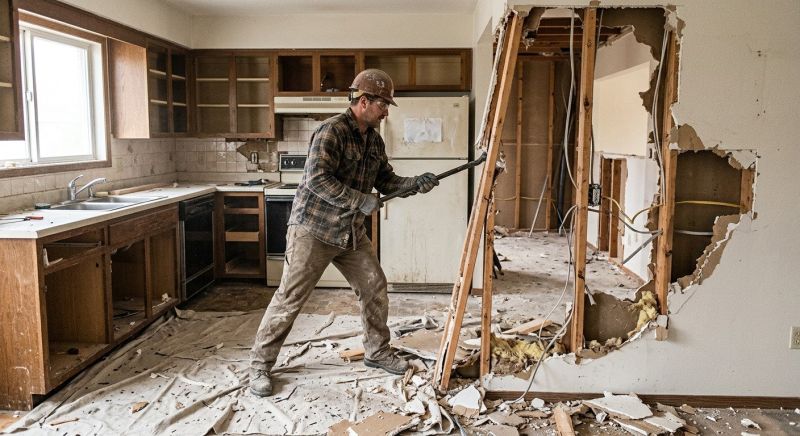
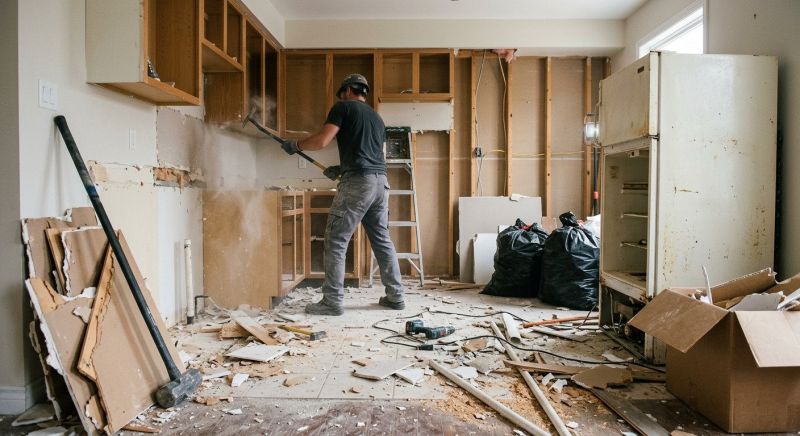
Kitchen wall demolition services involve carefully removing existing walls to create open-concept layouts, remove non-load-bearing partitions, or prepare spaces for remodels and renovations. This process typically includes the safe removal of drywall, framing, and other wall components, ensuring the surrounding areas are protected from dust and debris. Projects may range from partial wall removals to full demolition of interior partitions, helping homeowners achieve a more spacious and modern kitchen environment.
Property owners interested in kitchen wall demolition should consider factors such as whether the wall is load-bearing, the need for structural support, and any electrical or plumbing components within the wall. Understanding the scope of work, potential reinforcements, and building codes is essential before proceeding with demolition services. Consulting with experienced professionals can help ensure the project is completed safely and in accordance with local regulations.
Many property owners in Bergen County, NJ look into Kitchen Wall Demolition for repairs, replacements, upgrades, and appearance-related improvements.
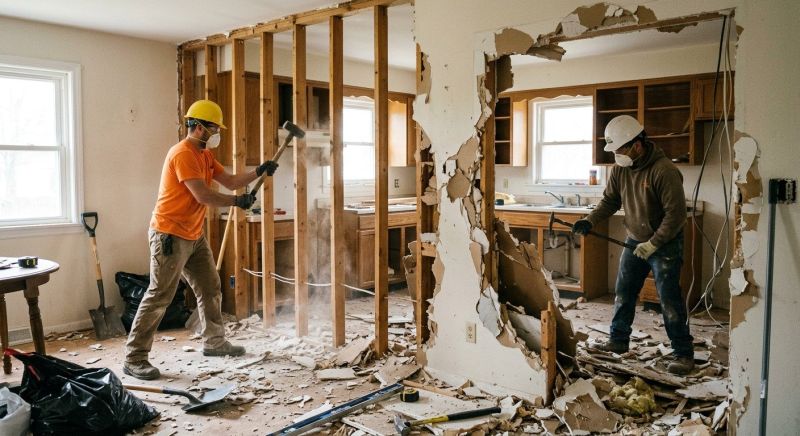
Kitchen Wall Removal
Removing walls to open up kitchen layouts for improved space and flow.
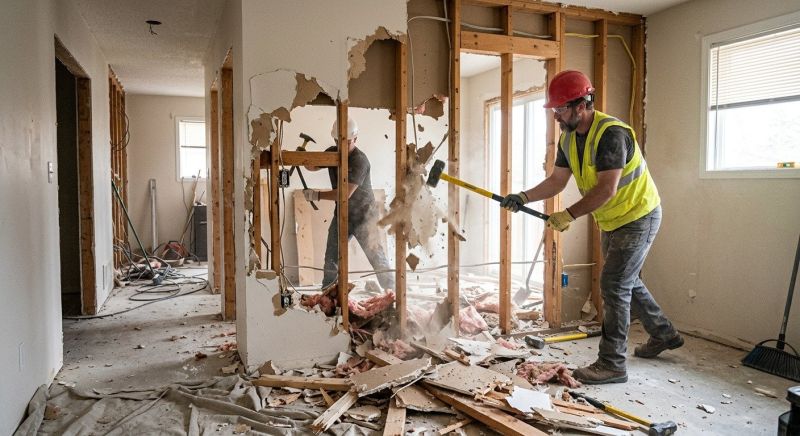
Structural Demolition
Careful demolition of non-load-bearing walls to enhance kitchen functionality.
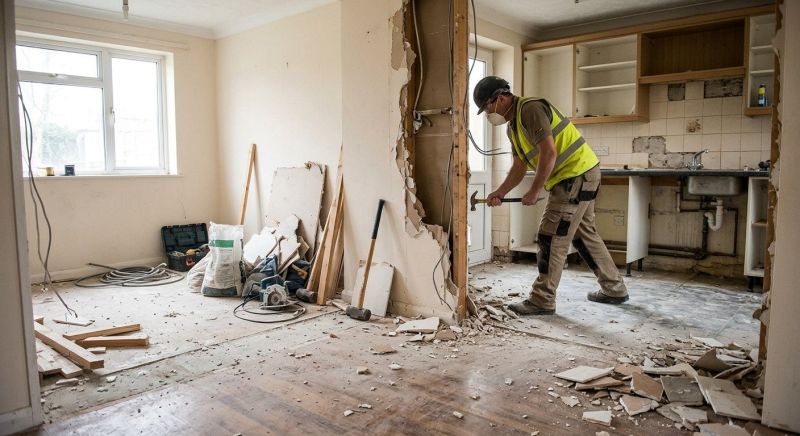
Renovation Preparation
Preparing kitchen areas for remodeling by safely removing existing wall structures.
Kitchen Wall Demolition in Bergen County, NJ
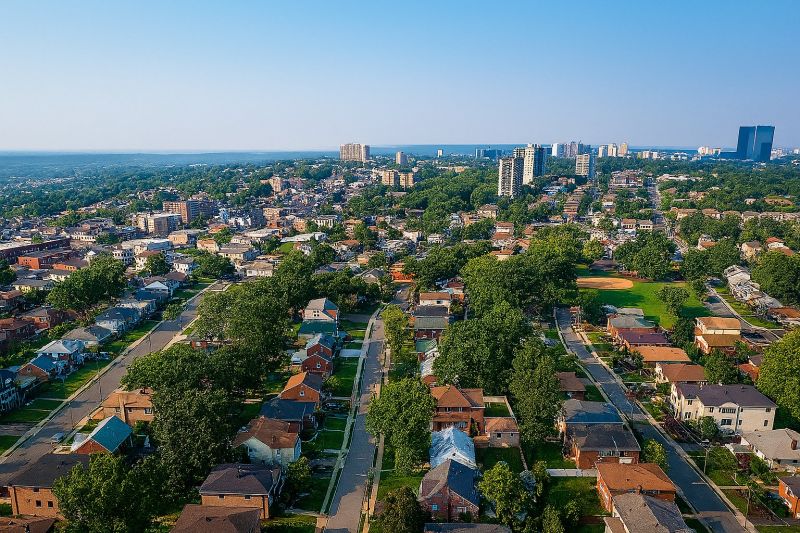
Kitchen wall demolition services involve carefully removing existing walls to create open-concept layouts, remove non-load-bearing partitions, or prepare spaces for remodels and renovations. This process typically includes the safe removal of drywall, framing, and other wall components, ensuring the surrounding areas are protected from dust and debris. Projects may range from partial wall removals to full demolition of interior partitions, helping homeowners achieve a more spacious and modern kitchen environment.
Property owners interested in kitchen wall demolition should consider factors such as whether the wall is load-bearing, the need for structural support, and any electrical or plumbing components within the wall. Understanding the scope of work, potential reinforcements, and building codes is essential before proceeding with demolition services. Consulting with experienced professionals can help ensure the project is completed safely and in accordance with local regulations.
Many property owners in Bergen County, NJ look into Kitchen Wall Demolition for repairs, replacements, upgrades, and appearance-related improvements.
Common Kitchen Wall Demolition Jobs
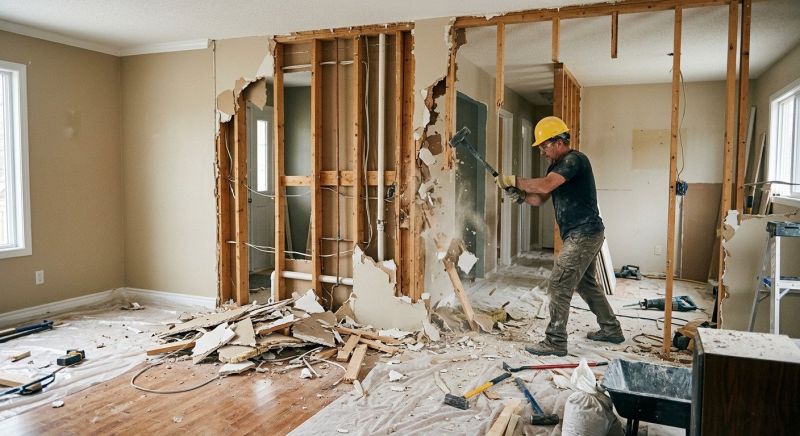
Kitchen wall demolition involves removing non-load-bearing walls to create open-concept layouts.
Partial wall removal allows for better kitchen flow and increased natural light.
Full wall demolition can open up entire kitchen spaces for modern redesigns.
Cabinet and appliance removal is often part of the demolition process to prepare for new layouts.
Structural considerations include ensuring load-bearing elements are properly supported during demolition.
Post-demolition cleanup involves debris removal and preparing the space for renovation.
Kitchen Wall Demolition Questions
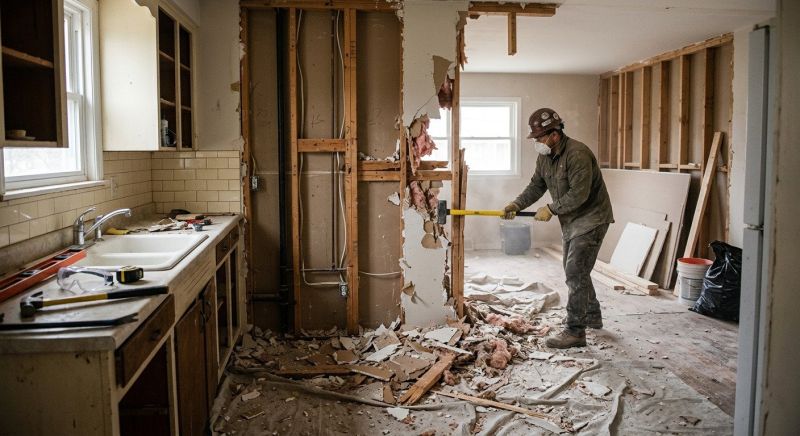
What types of kitchen wall demolition are commonly requested? Typical projects include removing non-load-bearing walls to create open layouts or removing outdated partitions for renovations.
Is kitchen wall demolition safe for the rest of the home? Yes, proper planning ensures structural integrity is maintained, preventing damage to other areas during demolition.
What should property owners consider before starting a kitchen wall demolition? It's important to identify load-bearing walls and plan for necessary supports or reinforcements.
Will demolition damage adjacent cabinets or flooring? When properly protected, demolition can be confined to targeted areas without affecting surrounding surfaces.
Request Kitchen Wall Demolition in Bergen County, NJ
Use the quote form on this page to share the basics of your project and request more information for the type of work you need.